
Nigeria’s tax system officially changed on 1 January 2026.
This reform is one of the biggest tax updates Nigeria has had in years, and it affects individuals, business owners, companies, professionals, and digital earners.
This guide explains the 2026 Nigeria Tax Reform in simple language, without fear, confusion, or misinformation.
What Is Nigeria’s 2026 Tax Reform About?
The Nigerian government restructured the tax system to:
- Reduce confusion caused by too many tax laws
- Combine old tax laws into a clearer system
- Protect low-income earners
- Support small businesses
- Make tax administration easier and more transparent
Instead of people guessing what applies to them, the new law clearly states who should pay tax, how much, and when. This is the REFORM.
Not sure how the new tax law affects you or your business?
👉 Talk to a Taxify tax expert for clarity before making mistakes.

When Did the New Tax Law Start?
The new tax system applies from 1 January 2026.
This means:
- Income earned from 2026 onward is taxed under the new rules
- Old assumptions and social media advice may no longer apply
If you will earn income in 2026 and beyond, don’t rely on old tax rules.
👉 Get your tax position reviewed professionally.
Who Does the 2026 Nigeria Tax Law Apply To?
This tax reform applies to anyone earning income from Nigeria, including:
- Salary earners
- Self-employed individuals
- Freelancers and hustlers
- Traders and online sellers
- Business owners
- Limited companies
- Professionals (lawyers, accountants, consultants, doctors, IT experts)
- Digital and online businesses
- Foreigners earning income from Nigeria
If money comes from Nigeria, this law applies.
Why Did the Government Change the Tax System?
Before the reform:
- Too many separate tax laws
- Confusion for individuals and small businesses
- Fear of penalties without clear guidance
What changed:
- Several tax laws were merged into one clearer system
- Low-income earners now enjoy stronger tax reliefs
- Small businesses received significant exemptions
This reform is not about punishment — it is about clarity and structure.
If tax has always confused you, this reform is your chance to start clean and correct.
👉 Let Taxify guide you step by step.
Who Collects Tax in Nigeria Under the New System?
You may hear two names under the new law:
Nigeria Revenue Service (NRS)
Handles:
- Company Income Tax
- VAT
- Large business taxes
- Federal taxes
State Internal Revenue Services (SIRS)
Each state still has its own tax authority handling:
- Personal Income Tax
- PAYE
- Self-employed taxes
Both authorities still exist, they now work more closely together.
Confused about whether to deal with NRS or your State IRS?
👉 Taxify helps you file with the right authority.
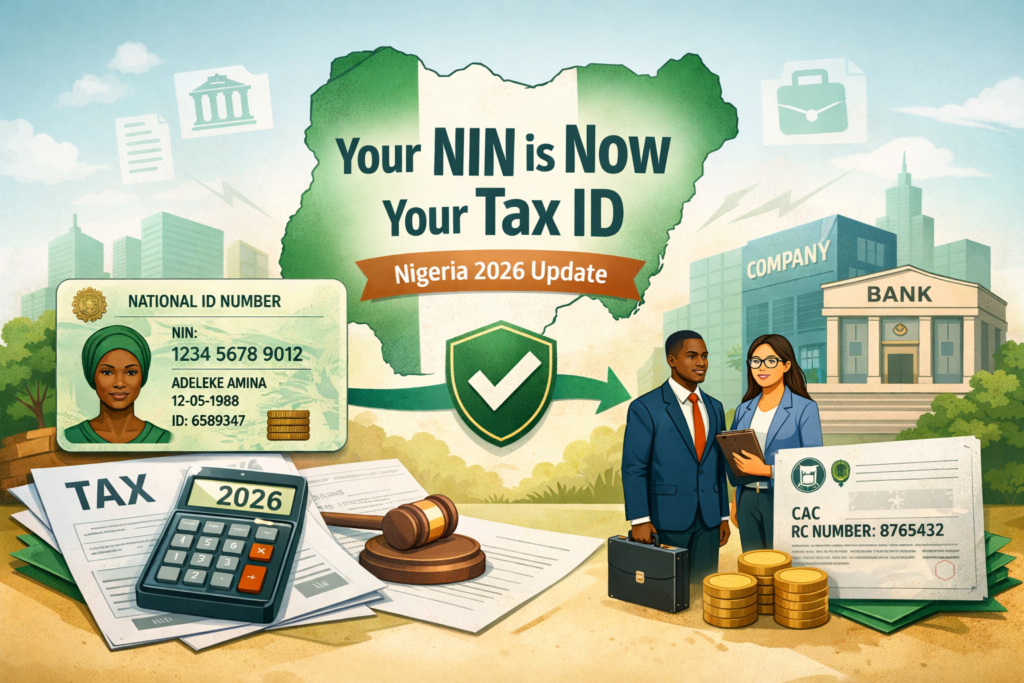
What Is a Tax ID Under the New Law?
Every taxpayer must have a Tax Identification Reference:
- Individuals: Your NIN
- Businesses & Companies: Your CAC RC or BN number
Registration does not always mean payment, but it is mandatory.
What the 2026 Tax Law Is NOT
The law does NOT say:
- Government fines people daily
- Everyone must pay tax regardless of income
- Bank alerts are automatically taxed
- Online income is illegal
- Registration equals immediate payment
If it is not written in the Act, it is not the law.
Final Word: What You Should Do Now
Nigeria’s 2026 tax system is designed to:
- Protect low earners
- Support small businesses
- Simplify compliance
- Remove unnecessary fear
The smartest move is not panic, it is proper understanding and correct filing.